THE ALPHA01 GUIDE SPORT & PERFORMANCE
Creatine Monohydrate: Benefits, How Much to Take and Which Supplement Is Best?
 Reviewed by Ro Huntriss, RD, Registered Dietitian Reviewed
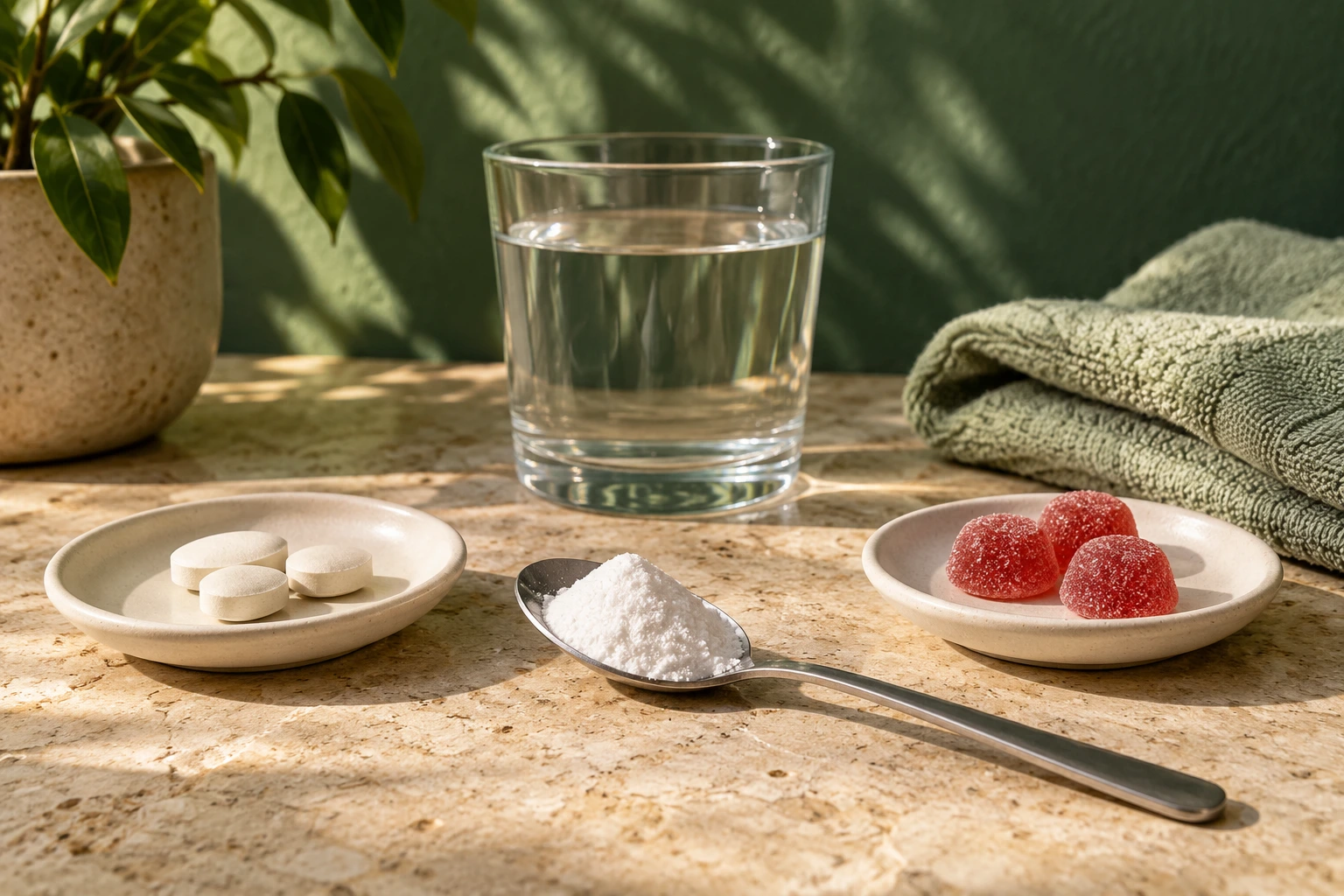
Creatine monohydrate is one of the most researched sports supplements, particularly for improving high-intensity exercise performance and supporting gains in muscle strength and mass when combined with resistance training. But how does it work, how much should you take, and which supplement format is best?
What is creatine and how does it work?
Creatine is a compound made from amino acids, produced naturally by the body and obtained from foods such as meat and fish. Most of the body’s creatine is stored in skeletal muscle, where it helps regenerate adenosine triphosphate (ATP), the primary energy source for muscle contractions.
Skeletal muscle
About 95% of the creatine in your body.
Monohydrate
Creatine with one water molecule attached.
Micronised
More finely milled powder, not a different ingredient.
During short, intense activities such as sprinting and weightlifting, ATP is used rapidly. Increasing muscle creatine stores helps replenish ATP, supporting repeated high-intensity efforts 1.
Although several forms are marketed, creatine monohydrate is the most extensively researched form and remains the preferred option based on the available evidence 1.
What are the benefits of creatine?
1. High-intensity exercise performance
Creatine can improve performance during repeated bursts of short-term, high-intensity exercise, making it relevant to activities such as weightlifting, sprinting and some team sports 1 2.
Great Britain authorises a health claim that creatine increases physical performance in successive bursts of short-term, high-intensity exercise. The claim applies to adults performing high-intensity exercise who consume 3 g of creatine daily 2.
Creatine is less likely to offer the same benefits for steady-state endurance activities, such as long-distance running, although its usefulness depends on the demands of the sport.
2. Muscle strength and mass
Research has investigated the effects of creatine supplementation alongside resistance training, with studies reporting improvements in strength and lean body mass in some populations 1. Creatine may help support repeated high-intensity training efforts, although results depend on factors such as training programme, age and baseline fitness.
In Great Britain, a specific authorised health claim states that daily creatine consumption can enhance the effect of resistance training on muscle strength in adults over 55, subject to defined conditions 3.
The claim has specific conditions: 3 g of creatine daily alongside progressive resistance training at least three times a week for several weeks, at an intensity of approximately 65–75% of the maximum weight a person can lift for one repetition 3.
Creatine does not replace resistance exercise, adequate protein or sufficient energy intake. Initial weight gain may occur as muscles store more water; this does not necessarily represent an increase in muscle tissue.
3. Recovery after exercise
Research has investigated whether creatine reduces muscle soreness and supports recovery after strenuous exercise. However, findings are inconsistent, and current evidence does not establish a reliable benefit across all recovery outcomes 4.
Its strongest evidence remains for high-intensity exercise performance and supporting strength and muscle gains alongside resistance training.
4. Creatine and brain health
Creatine is also present in the brain, where it contributes to cellular energy metabolism. Researchers have explored whether supplementation affects memory and other aspects of cognitive function.
Some studies report improvements in specific cognitive measures, but results are mixed and further research is needed 5. Creatine is not an established treatment for memory problems or cognitive decline, and current evidence does not establish a confirmed cognitive benefit from supplementation.
How much creatine should you take?
For most healthy adults using creatine monohydrate to support exercise, 3–5 g daily is a commonly studied dose 1.
Importantly, the authorised health claims above specify 3 g of creatine, not 3 g of creatine monohydrate. Monohydrate is approximately 88% creatine by weight, so the amount of actual creatine provided depends on the product’s serving size.
creatine directly
Do you need a loading phase?
No. A loading phase can increase muscle creatine stores more quickly, but it is not essential. A typical approach is around 20 g daily, split into smaller doses, for five to seven days, followed by 3–5 g daily. Taking a smaller daily dose without loading will also increase muscle stores, although more gradually 1.
When should you take creatine?
There is no firmly established best time to take creatine. Consistency matters more than whether you take it before or after exercise. Taking it at a convenient time each day, including rest days, can help maintain muscle creatine stores.
Is creatine safe?
Creatine monohydrate has been extensively studied and is generally well tolerated by healthy adults when taken at commonly used doses. Potential side effects include water-weight gain and digestive discomfort, particularly with larger doses 1.
Creatine supplementation can increase blood creatinine levels. Because creatinine is used to assess kidney function, this may affect blood test results without necessarily indicating kidney damage. A 2025 systematic review found a modest increase in serum creatinine but no statistically significant change in glomerular filtration rate (GFR). However, evidence is not sufficient to establish safety for every population or clinical circumstance 6.
If you have kidney disease, take medication that may affect kidney function, or are pregnant or breastfeeding, seek advice from a healthcare professional before using creatine.
Comparing Alpha01 creatine supplements
Alpha01 offers creatine monohydrate in several formats. The main differences are the serving size, convenience, additional ingredients and cost per serving.
| Product | Serving | Price | Key feature |
|---|---|---|---|
| Creatine monohydrate powder, 1kg | 5 g powder per day | £15.99 | Unflavoured, single-ingredient powder |
| Creatine monohydrate tablets, 270 | 3 tablets provide 3 g creatine | £9.99 | Measured serving without mixing powder |
| Creatine monohydrate gummies | 3 gummies provide 3.6 g creatine monohydrate, equivalent to approximately 3.2 g creatine | £16.99 | Strawberry-flavoured, vegan gummies |
| Creatine monohydrate capsules | 750 mg of creatine per one capsule serving | £10.99 | Capsule format for those who prefer not to use powder |
Prices and availability can change. Check the current product labels and serving instructions before purchasing.
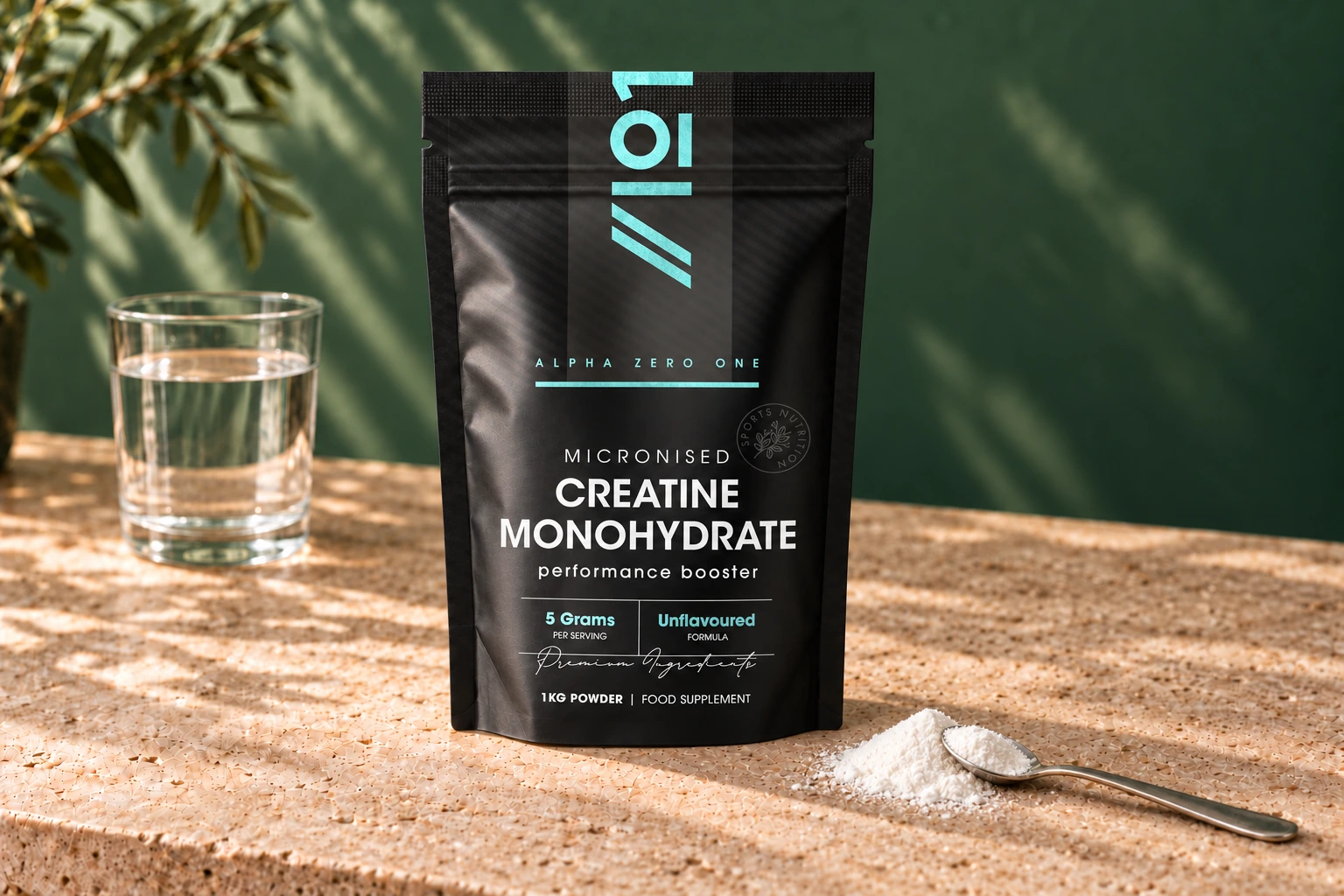
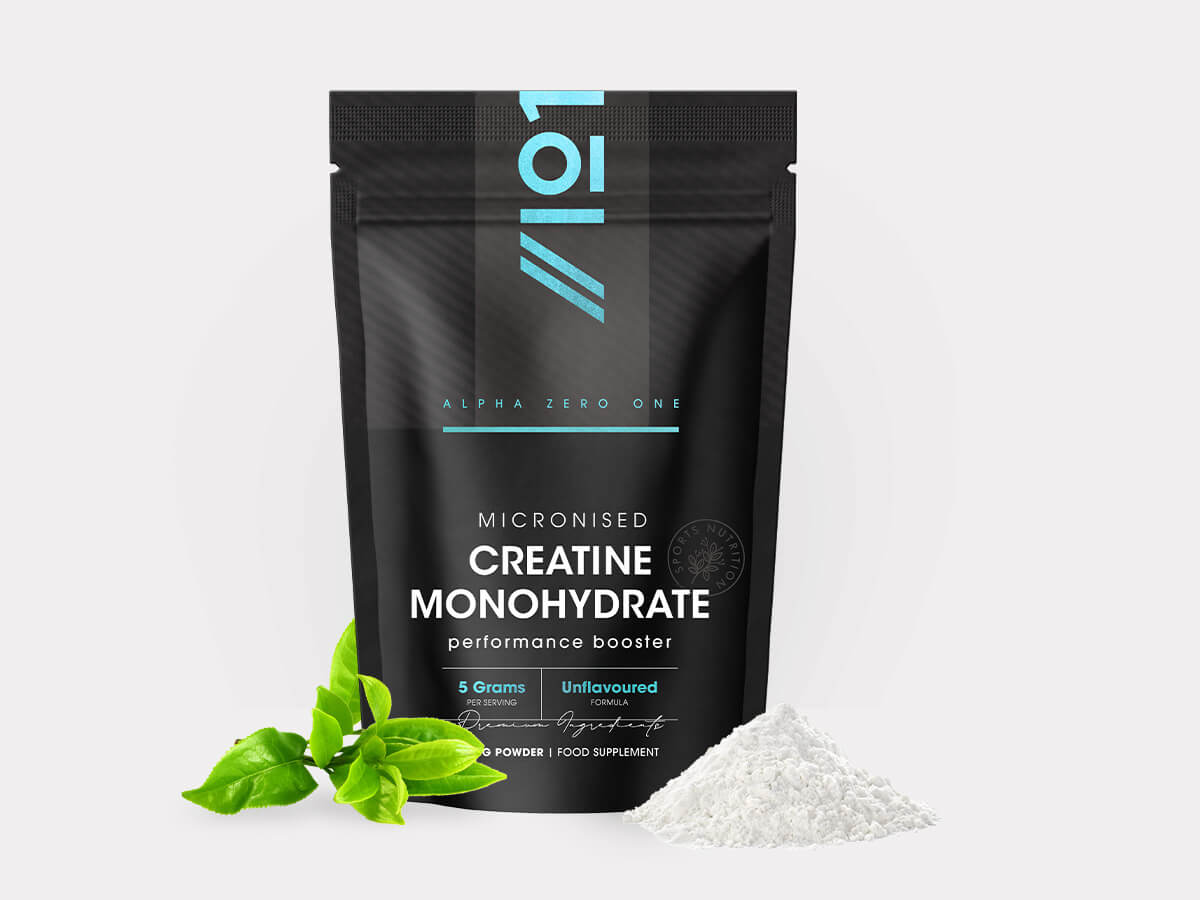
ONE INGREDIENT · MICRONISED · UNFLAVOURED
Creatine Powder 1kg
5g creatine monohydrate per heaped teaspoon.
About 4.4g of creatine per serving.
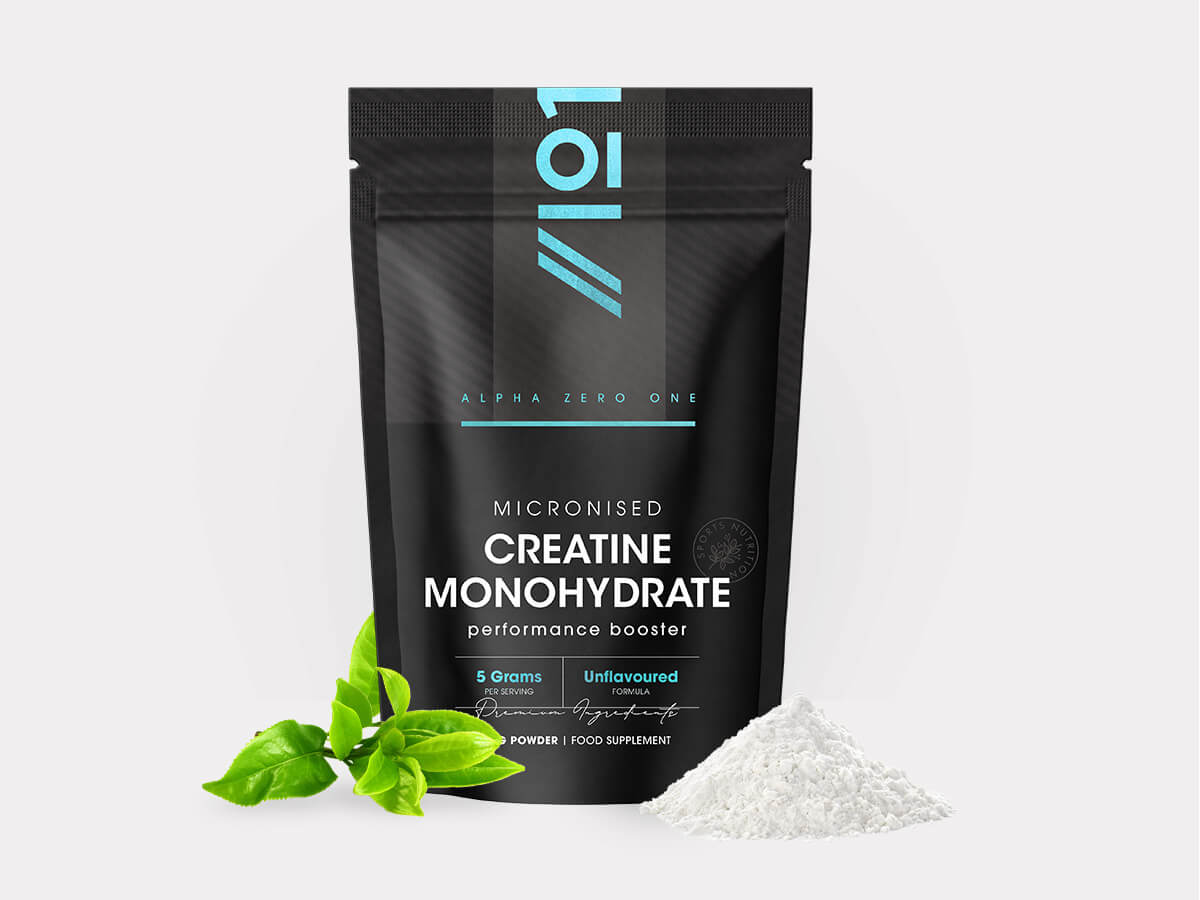
THE SAME POWDER · A SMALLER POUCH
Creatine Powder 300g
5g creatine monohydrate per heaped teaspoon.
About 4.4g of creatine per serving.
THE SAME POWDER · THE SMALLEST POUCH
Creatine Powder 100g
5g creatine monohydrate per heaped teaspoon.
About 4.4g of creatine per serving.
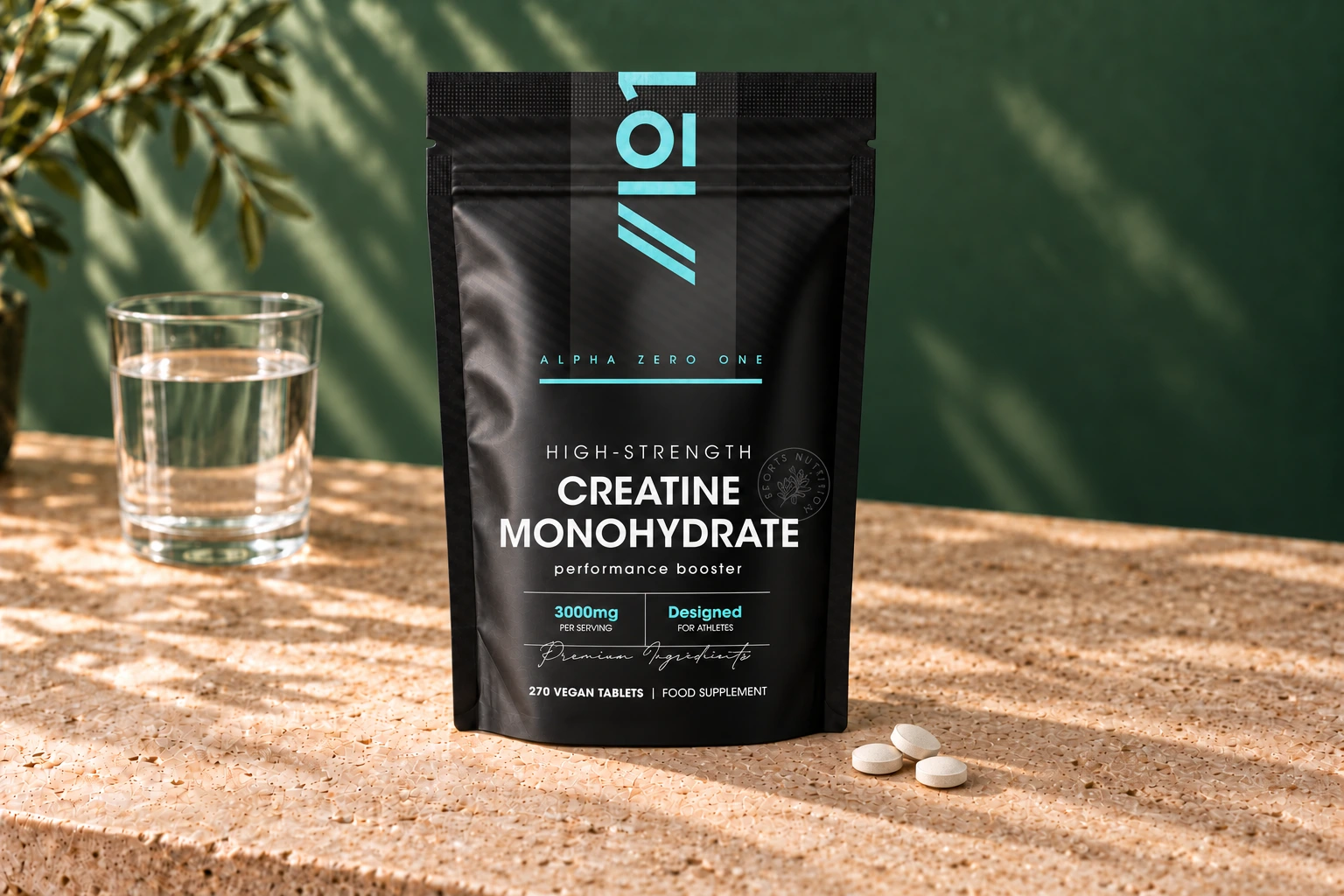
NO MIXING · VEGAN TABLETS
Creatine Monohydrate 3000mg, 270 Tablets
Creatine (as monohydrate) 3,000mg per three tablets.
Take 3 tablets daily with water.
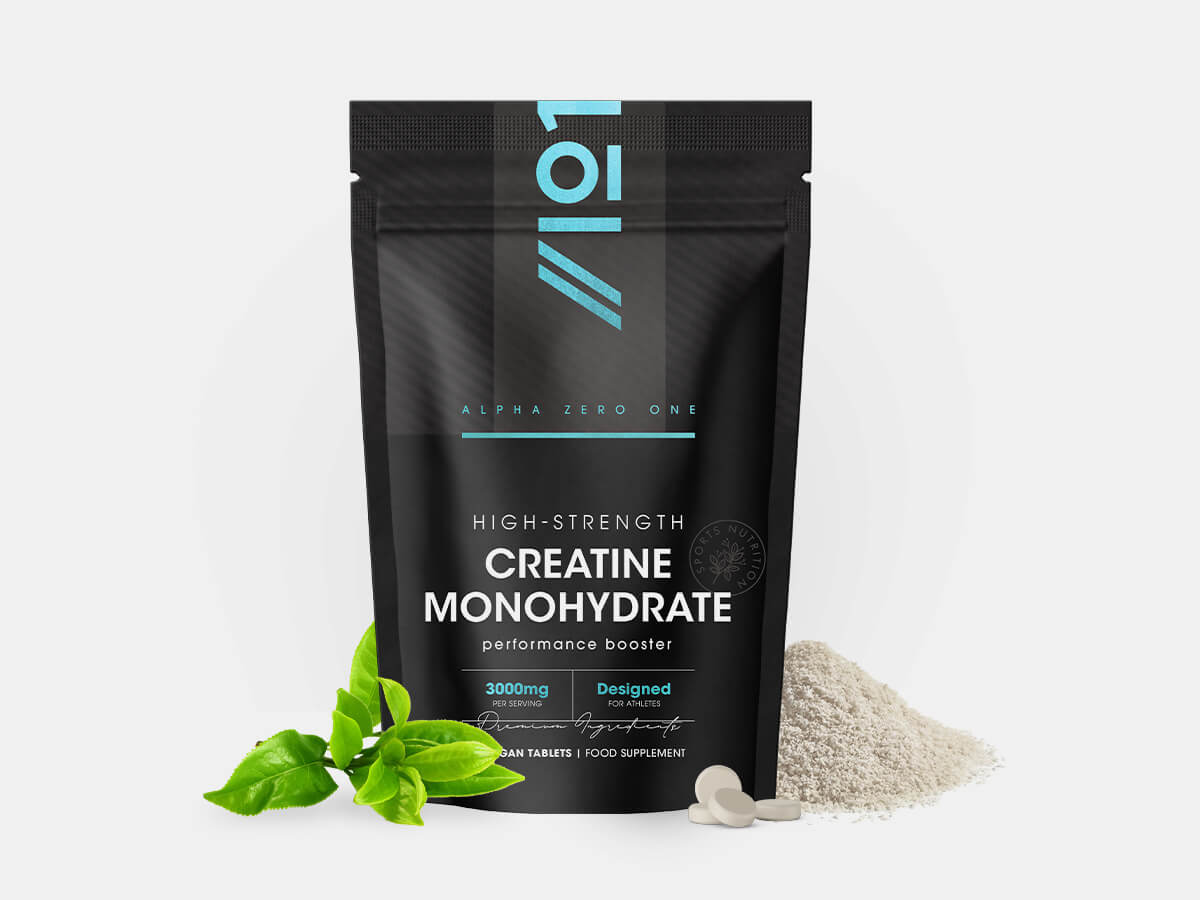
THE SAME TABLETS · A SMALLER POUCH
Creatine Monohydrate 3000mg, 90 Tablets
Creatine (as monohydrate) 3,000mg per three tablets.
Take 3 tablets daily with water.
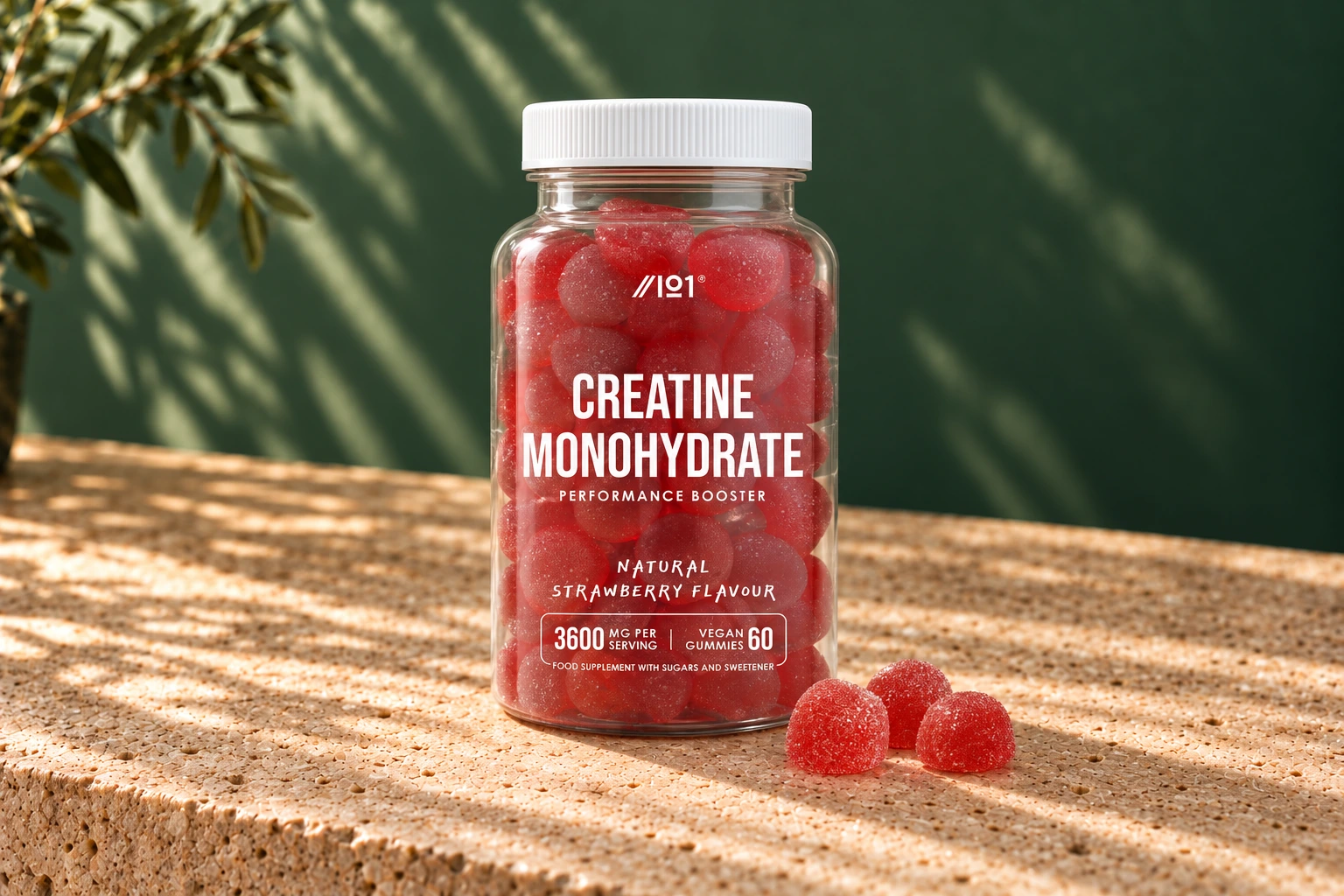
STRAWBERRY FLAVOUR · VEGAN GUMMIES
Creatine Monohydrate 3600mg Gummies
3600mg creatine monohydrate per three gummies.
About 3.2g of creatine per serving.
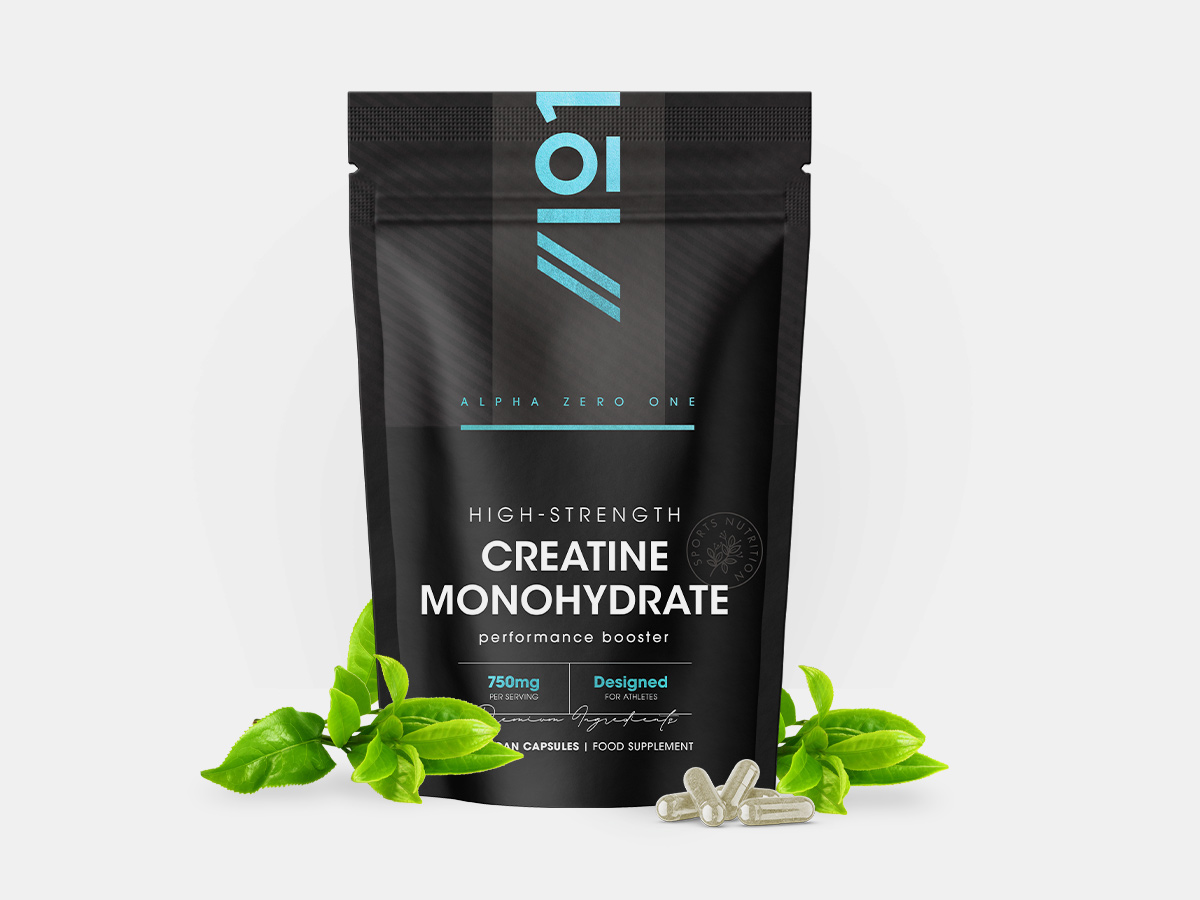
SWALLOW WITH WATER · VEGAN CAPSULES
Creatine Monohydrate 750mg Capsules
Creatine (as monohydrate) 750mg per capsule.
Take 1 capsule daily with water.
Which creatine format should you choose?
The most suitable format depends on your preferences and how easily you can take it consistently.
- Powder: A practical option if you want a single-ingredient product and don’t mind mixing it into water, a smoothie or another drink. It also offers a relatively low cost per serving.
- Tablets: Convenient if you prefer a pre-measured serving without mixing powder. Three tablets provide 3 g of creatine (as creatine monohydrate), meeting the daily amount specified in the authorised performance health claim.
- Gummies: An alternative for people who prefer a flavoured, chewable format. Three gummies provide approximately 3.2 g of creatine, but they also contain ingredients such as glucose syrup and cane sugar, so check the label if you are monitoring your sugar intake.
- Capsules: May suit people who prefer swallowing capsules. One 750 mg capsule provides considerably less creatine than the amounts commonly used in studies, so check the serving instructions rather than assuming one capsule is equivalent to a full daily dose.
The evidence for performance benefits relates primarily to the amount of creatine consumed, rather than whether it comes in powder, tablet or gummy form. Convenience, serving size, cost and ingredients are therefore useful factors when comparing products.
The bottom line
Creatine monohydrate is one of the most extensively researched sports supplements, with well-established benefits for performance during repeated bursts of high-intensity exercise. Research also suggests it can support improvements in muscle strength and lean body mass when combined with resistance training. Taking creatine consistently is more important than precise timing, and a loading phase is not essential.
Whether you prefer a simple powder, convenient tablets, easy-to-swallow capsules or flavoured gummies, Alpha01 offers a range of creatine monohydrate supplements to suit different preferences and routines. With creatine content, convenience and cost per serving all worth considering, choosing the right format can make it easier to incorporate creatine into your daily routine and complement your training goals.
The research discussed here is distinct from authorised marketing claims. Information about permitted nutrition and health claims is available in the Great Britain Nutrition and Health Claims Register.
References
- Kreider RB, Kalman DS, Antonio J, Ziegenfuss TN, Wildman R, Collins R, Candow DG, Kleiner SM, Almada AL, Lopez HL. International Society of Sports Nutrition position stand: safety and efficacy of creatine supplementation in exercise, sport, and medicine. J Int Soc Sports Nutr. 2017 Jun 13;14:18. doi: 10.1186/s12970-017-0173-z. PMID: 28615996; PMCID: PMC5469049. View source
- (2011). Scientific Opinion on the substantiation of health claims related to creatine and increase in physical performance during short-term, high intensity, repeated exercise bouts (ID 739, 1520, 1521, 1522, 1523, 1525, 1526, 1531, 1532, 1533, 1534, 1922, 1923, 1924), increase in endurance capacity (ID 1527, 1535), and increase in endurance performance (ID 1521, 1963) pursuant to Article 13(1) of Regulation (EC) No 1924/2006. EFSA Journal, 9(7), 2303. https://doi.org/10.2903/j.efsa.2011.2303 View source
- (2016). Creatine in combination with resistance training and improvement in muscle strength: Evaluation of a health claim pursuant to Article 13(5) of Regulation (EC) No 1924/2006. EFSA Journal, 14(2), 4400. https://doi.org/10.2903/j.efsa.2016.4400 View source
- Northeast B, Clifford T. The Effect of Creatine Supplementation on Markers of Exercise-Induced Muscle Damage: A Systematic Review and Meta-Analysis of Human Intervention Trials. Int J Sport Nutr Exerc Metab. 2021 May 1;31(3):276-291. doi: 10.1123/ijsnem.2020-0282. Epub 2021 Feb 24. PMID: 33631721. View source
- Xu C, Bi S, Zhang W, Luo L. The effects of creatine supplementation on cognitive function in adults: a systematic review and meta-analysis. Front Nutr. 2024 Jul 12;11:1424972. doi: 10.3389/fnut.2024.1424972. Erratum in: Front Nutr. 2025 Feb 17;12:1570800. doi: 10.3389/fnut.2025.1570800. PMID: 39070254; PMCID: PMC11275561. View source
- Naeini EK, Eskandari M, Mortazavi M, Gholaminejad A, Karevan N. Effect of creatine supplementation on kidney function: a systematic review and meta-analysis. BMC Nephrol. 2025 Nov 6;26(1):622. doi: 10.1186/s12882-025-04558-6. PMID: 41199218; PMCID: PMC12590749. View source