THE ALPHA01 GUIDE OMEGAS & FATTY ACIDS
Omega-3 Fish Oil: Benefits, Sources and How to Choose a Supplement
 Reviewed by Ro Huntriss, RD, Registered Dietitian Reviewed

Omega-3 fatty acids are essential fats involved in normal heart, brain and eye function. They are found in foods such as oily fish, flaxseeds, chia seeds and walnuts, as well as in supplements.
However, not all omega-3 products are the same. Some provide EPA and DHA, mainly found in oily fish and seafood, while others provide ALA from plant oils. Here’s what the evidence shows and how to choose an omega-3 supplement.
What is omega-3?
Omega-3 is a family of polyunsaturated fatty acids. Some are essential because the body cannot produce enough, so they must come from the diet 1.
There are three main types:
- Alpha-linolenic acid (ALA): an essential omega-3 found in plant foods such as flaxseeds, chia seeds, walnuts, and rapeseed oil. The body can convert ALA into EPA and DHA, but this conversion is limited.
- Eicosapentaenoic acid (EPA): found mainly in oily fish and seafood. EPA is involved in normal cell function and the production of signalling molecules.
- Docosahexaenoic acid (DHA): found mainly in oily fish and seafood. DHA is an important structural component of cell membranes, particularly in the brain and retina.
These fatty acids are not interchangeable. A supplement providing ALA does not provide the same amount of EPA and DHA as fish oil.
Fish oil
Wild-caught fish
EPA
Eicosapentaenoic acid
DHA
Docosahexaenoic acid
ALA
The plant omega-3
What are the benefits of omega-3?
1. Heart health and triglycerides
EPA and DHA contribute to the normal function of the heart, with a beneficial effect obtained from a daily intake of 250mg combined 2.
ALA has an authorised health claim for the maintenance of normal blood cholesterol levels when consumed at 2g daily 3. Flaxseeds, chia seeds, walnuts, rapeseed oil and flaxseed oil supplements provide ALA.
Higher EPA and DHA intakes, including around 2g daily, have been investigated for their effects on triglycerides and cardiovascular outcomes. However, evidence that routine omega-3 supplementation prevents cardiovascular disease is mixed, and supplements do not automatically reduce cardiovascular risk for everyone 4.
2. Brain function and vision
DHA contributes to the maintenance of normal brain function and normal vision, with a beneficial effect obtained from 250mg daily 5. As a structural component of the brain and retina, DHA is particularly relevant during pregnancy and early development 1.
However, maintaining normal brain function is different from improving cognitive performance. Research into whether omega-3 supplements improve memory, concentration or other cognitive measures in healthy adults remains inconclusive, with systematic reviews finding no consistent benefit 6.
3. Inflammation and joint health
EPA and DHA are involved in the body’s inflammatory signalling processes. Research has explored their potential effects on joint pain and function, particularly in osteoarthritis and rheumatoid arthritis. Some studies report improvements, but findings and evidence quality vary by condition and outcome 7 8.
4. Pregnancy and early development
DHA is an important component of the developing brain and eyes 1. Adequate omega-3 intake is therefore relevant during pregnancy and early life.
Oily fish provides EPA and DHA, but pregnant women should follow NHS guidance on fish consumption 9.
Important: Avoid cod liver oil and supplements containing vitamin A as retinol during pregnancy, and when trying to conceive unless specifically advised by a healthcare professional.
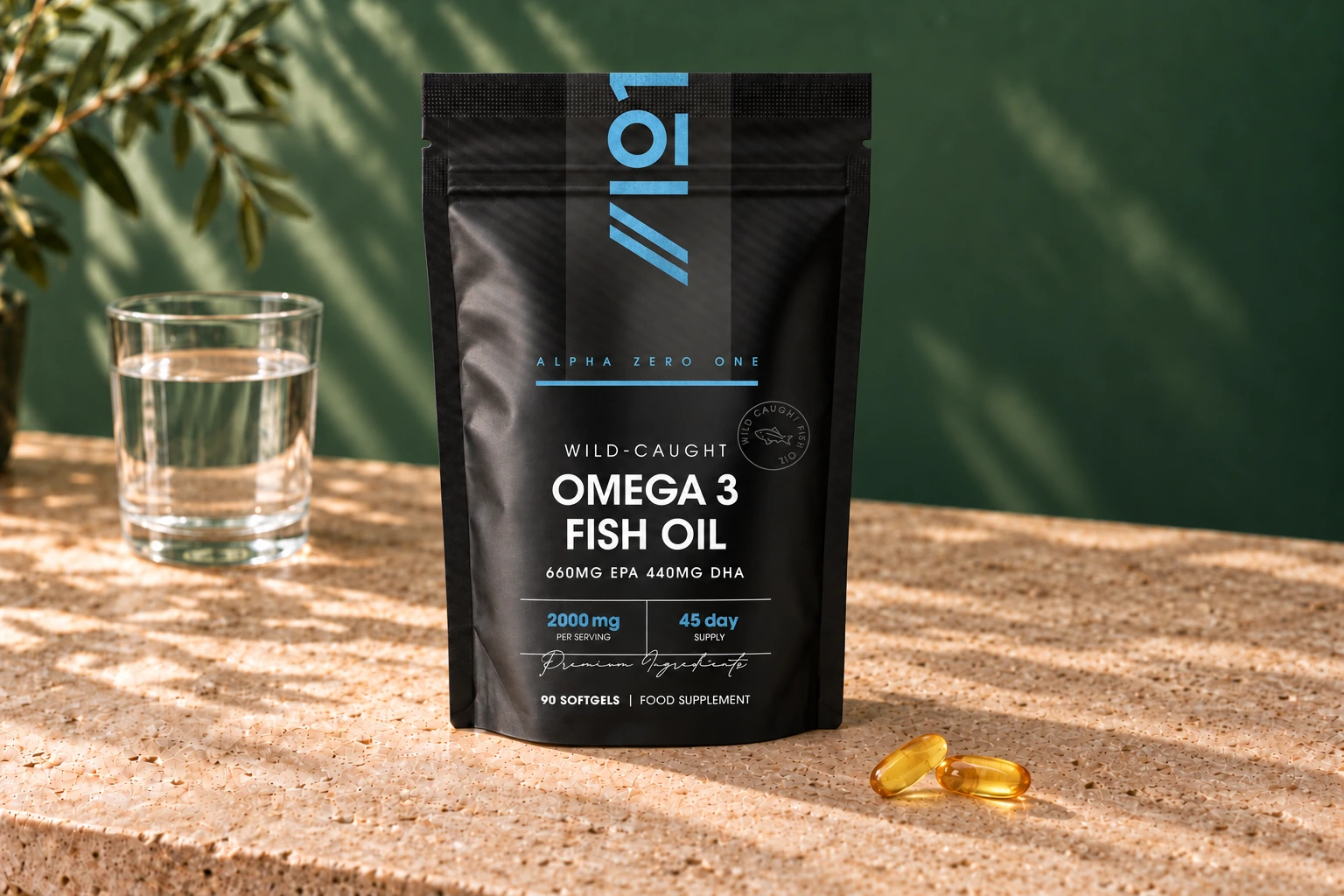
WILD-CAUGHT · EPA + DHA
Omega 3 Fish Oil 2000mg
660mg EPA + 440mg DHA per two softgels.
1,100mg omega-3 within 2,000mg fish oil.
AVAILABLE SIZES
Explore 90 softgels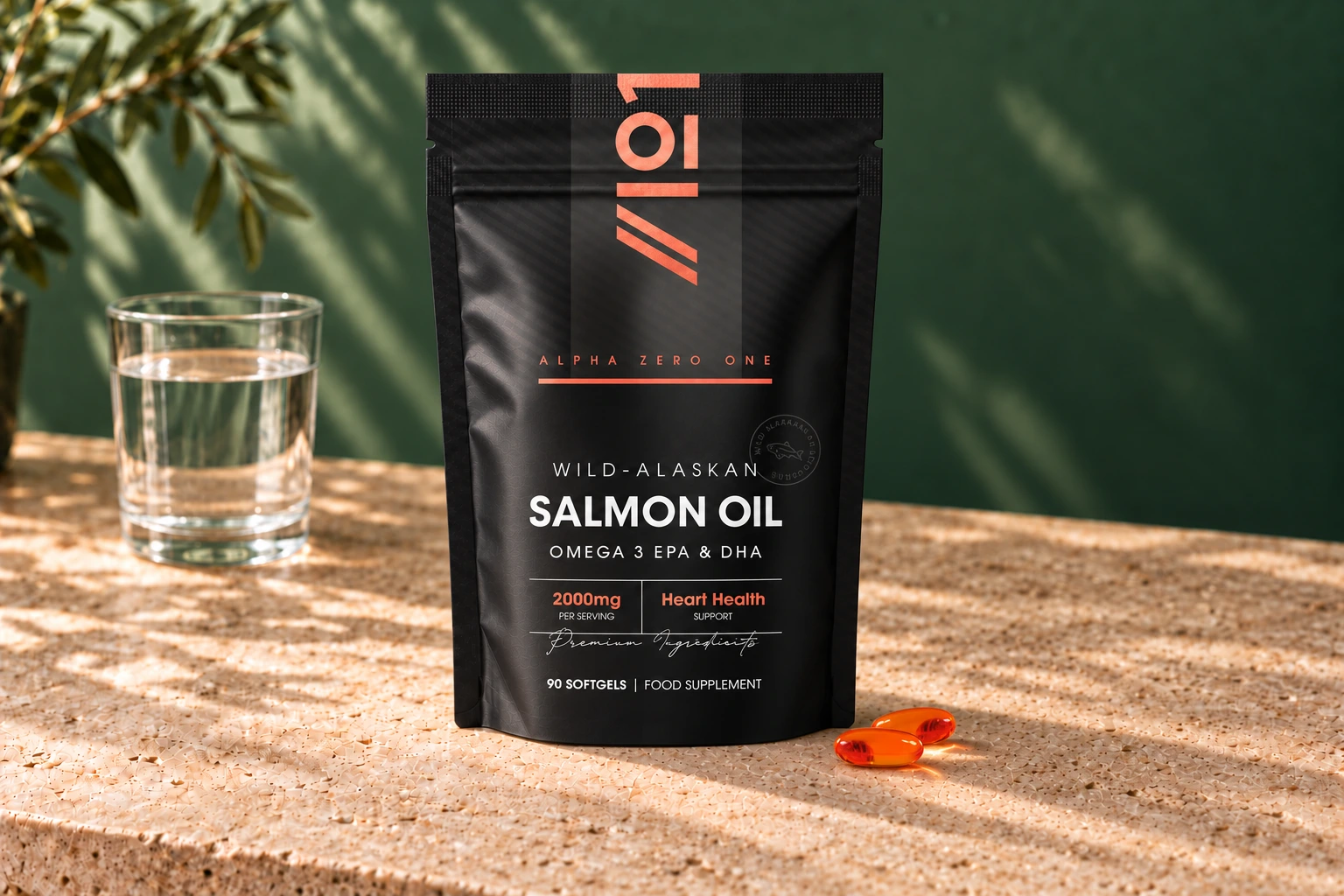
WILD-CAUGHT ALASKAN SALMON
Wild Alaskan Salmon Oil 2000mg
170mg EPA + 180mg DHA per two softgels.
2,000mg salmon oil per serving.
AVAILABLE SIZES
Explore salmon oilWhere can you get omega-3?
Oily fish: Salmon, sardines, mackerel, herring, trout and pilchards provide EPA and DHA. The NHS recommends at least two portions of fish weekly, including one portion of oily fish, for most adults 10.

Plant foods: Flaxseeds, chia seeds, walnuts and rapeseed oil provide ALA, making them useful sources for vegetarian and vegan diets. ALA has its own nutritional role, but conversion to EPA and DHA is limited and varies between individuals.
Supplements: Fish oil provides EPA and DHA; algal oil can provide a non-fish source of these fatty acids. Flaxseed oil provides ALA. Supplements can increase intake of specific fatty acids but do not replace the wider nutritional benefits of eating fish, including its protein, vitamins and minerals.
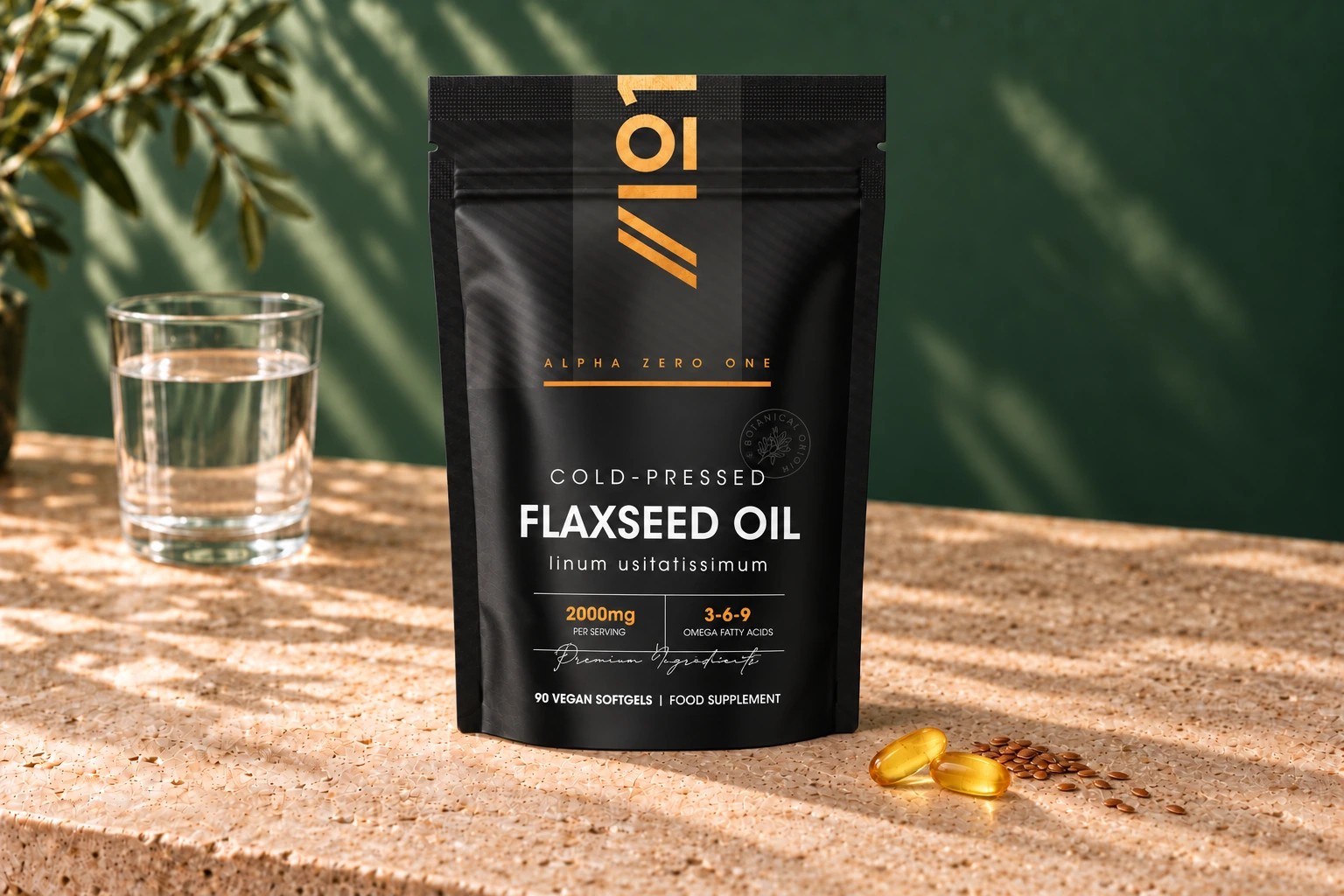
PLANT OMEGA-3 · VEGAN SHELL
Flaxseed Oil 2000mg
1,017mg ALA per two softgels.
2,000mg flaxseed oil per serving.
AVAILABLE SIZES
ORGANIC OPTION
Explore flaxseed oil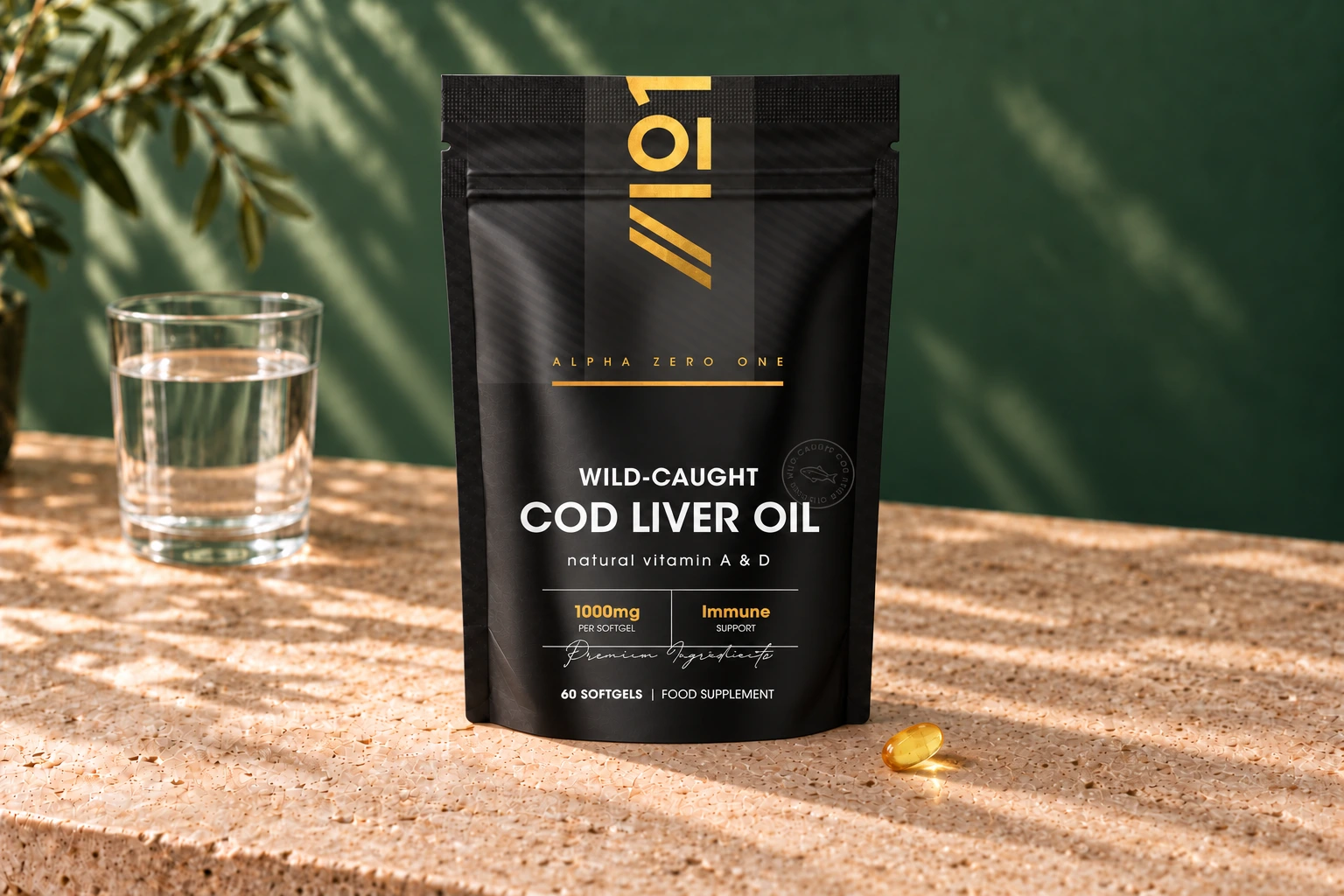
OMEGA-3 + VITAMINS A & D
Cod Liver Oil 1000mg
80mg EPA + 100mg DHA per softgel.
Vitamins A and D3, each at 100% NRV.
What are omega-6 and omega-9?
Some supplements combine omega-3 with omega-6 and omega-9 fatty acids.
- Omega-6: Found in nuts, seeds and vegetable oils. Linoleic acid is essential, while gamma-linolenic acid (GLA) is found in oils such as borage oil.
- Omega-9: Oleic acid is found in olive oil, avocados and nuts. Unlike omega-3 and omega-6, omega-9 is not essential because the body can produce it.
Both have roles in normal body function and are widely available through a varied diet 1. A combination supplement is not automatically more beneficial than a dedicated omega-3 product. If your priority is EPA and DHA, compare their quantities per serving.
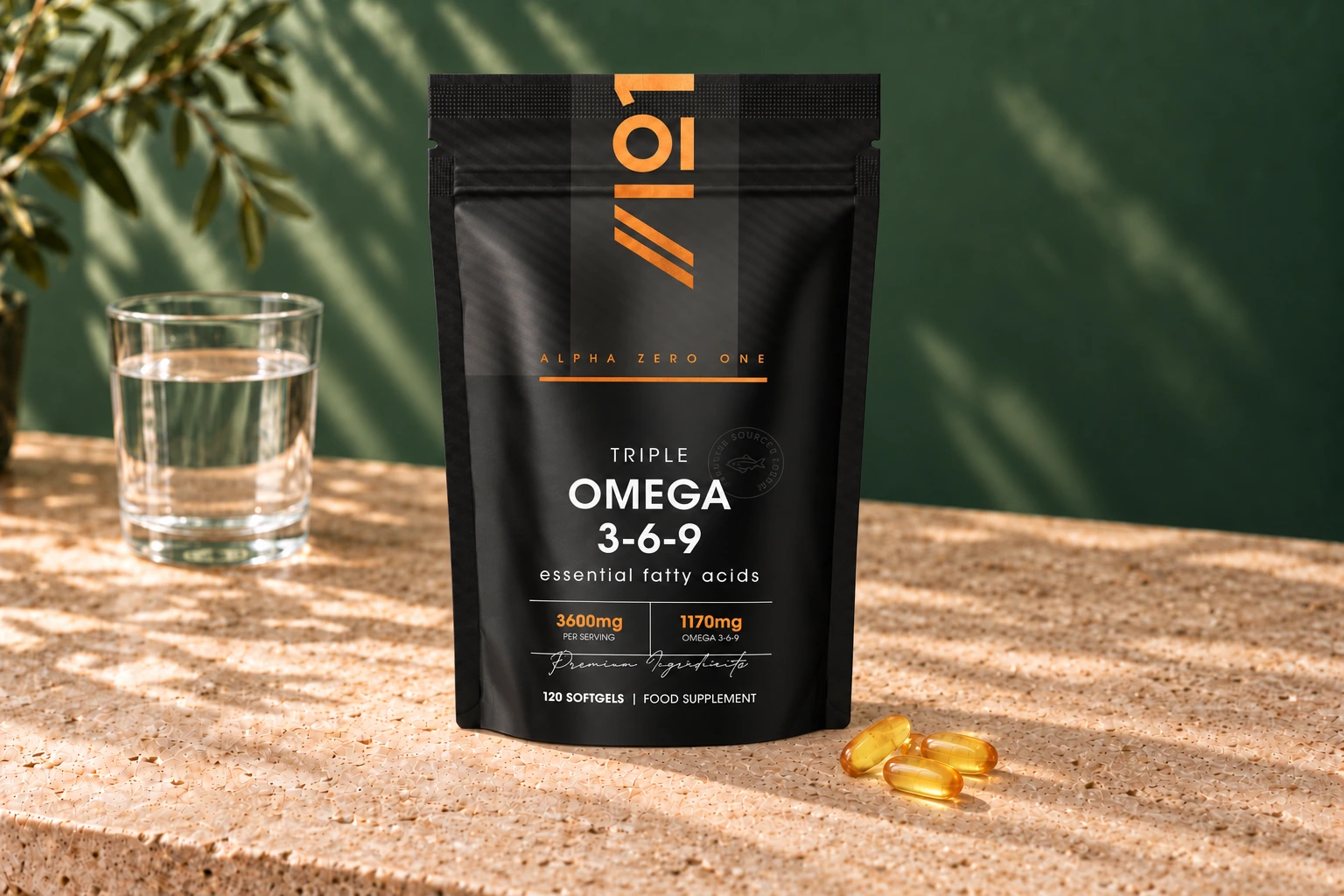
FISH + FLAXSEED + BORAGE
Omega 3-6-9 Fish Oil 3600mg
216mg EPA + 144mg DHA per three softgels.
600mg ALA and 210mg GLA per serving.
How do you choose an omega-3 supplement?
A large number on the packaging, such as 1,000mg or 2,000mg, may refer to total oil rather than omega-3 content.
fish oil
Omega 3 Fish Oil 2000mg, nutrition panel
When comparing products, check:
- EPA and DHA per serving: Add the amounts together to compare long-chain omega-3 content.
- Serving size: Check how many capsules provide the stated dose.
- Source: Fish and algal oils provide EPA and DHA; flaxseed oil provides ALA.
- Quality: Look for transparent ingredient information and credible testing for contaminants and product quality.
- Capsule ingredients: Fish oil softgels often contain gelatin. Check labels for suitable vegetarian or vegan alternatives.
- Additional ingredients: Cod liver oil contains vitamins A and D, while combination products may include fatty acids you do not specifically need.
The right choice depends on your diet, preferences and nutritional needs. Higher strength is not automatically necessary for everyone.
Alpha01 omega-3 products compared
1. Alpha01 Omega 3 Fish Oil 2000mg
Two softgels provide 2,000mg fish oil, including 660mg EPA and 440mg DHA: 1,100mg EPA and DHA combined. The product uses wild-caught fish oil and a bovine gelatin capsule shell.
Worth considering if: you want a concentrated source of EPA and DHA with clearly declared quantities.
One serving, five label numbers
Per 2 softgels- Fish oil
- 2000 mg
- EPA
- 660 mg33% of the fish oil
- DHA
- 440 mg22% of the fish oil
- EPA + DHA
- 1100 mgOmega-3 per serving
- EPA + DHA / oil
- 55 %33% + 22%
2. Alpha01 Wild Alaskan Salmon Oil
Two softgels provide 170 mg EPA and 180 mg DHA – 350 mg combined.
Worth considering if: you prefer salmon oil. It provides less EPA and DHA per serving than the dedicated fish oil; the fish source alone does not establish greater health benefits.
3. Alpha01 Cod Liver Oil
One softgel provides 80mg EPA and 100mg DHA: 180mg combined, alongside vitamins A and D3.
Worth considering if: you want a product combining some omega-3 with these vitamins, where appropriate. Its EPA and DHA content is lower than that of dedicated fish oil. Because it contains retinol, avoid it during pregnancy or when trying to conceive unless specifically advised by a healthcare professional 9. Consider its vitamin A and D content if you take other supplements containing these nutrients.
4. Alpha01 Omega 3-6-9 Fish Oil
Three softgels provide:
- 600mg ALA from flaxseed oil
- 216mg EPA
- 144mg DHA
- 210mg GLA, an omega-6 fatty acid
EPA and DHA total 360mg per serving.
Worth considering if: you want a blend of different fatty acids rather than prioritising a high EPA and DHA intake.
5. Alpha01 Flaxseed Oil
Two softgels provide 1,017mg ALA, a plant-based omega-3.
ALA contributes to the maintenance of normal blood cholesterol levels at a daily intake of 2g 3. One serving provides approximately half this amount, so other dietary sources are needed to reach 2g daily.
Worth considering if: you prefer a plant-based oil and want to increase ALA intake. If you specifically want EPA and DHA without fish, consider an algal oil supplement that declares the amounts provided.
| Product | EPA + DHA per stated serving | Best suited to |
|---|---|---|
| Omega 3 Fish Oil | 1,100 mg | Those wanting a concentrated source of EPA and DHA |
| Wild Alaskan Salmon Oil | 350 mg | Those who prefer salmon oil |
| Cod Liver Oil | 180 mg | Those wanting fish oil alongside vitamins A and D, where appropriate |
| Omega 3-6-9 Fish Oil | 360 mg | Those wanting EPA, DHA, plant-based ALA and GLA in one blend |
| Flaxseed Oil | No declared EPA or DHA | Those wanting a plant-based source of ALA |
The bottom line
Omega-3 fatty acids have distinct nutritional roles, and different foods and supplements provide different amounts of ALA, EPA and DHA.
If you want to increase EPA and DHA intake, compare their declared quantities per serving rather than total oil weight. If you prefer a plant-based option, ALA-rich foods and flaxseed oil contribute valuable omega-3 to your diet.
Consider your diet and nutritional needs when choosing a product, and remember that a balanced diet remains the foundation of long-term health.
The research discussed here is distinct from authorised marketing claims. Information about permitted nutrition and health claims is available in the Great Britain Nutrition and Health Claims Register.
References
- NIH Omega-3 Fatty Acids, Health Professional Fact Sheet: View source
- (2010). Scientific Opinion on the substantiation of health claims related to eicosapentaenoic acid (EPA), docosahexaenoic acid (DHA), docosapentaenoic acid (DPA) and maintenance of normal cardiac function (ID 504, 506, 516, 527, 538, 703, 1128, 1317, 1324, 1325), maintenance of normal blood glucose concentrations (ID 566), maintenance of normal blood pressure (ID 506, 516, 703, 1317, 1324), maintenance of normal blood HDL-cholesterol concentrations (ID 506), maintenance of normal (fasting) blood concentrations of triglycerides (ID 506, 527, 538, 1317, 1324, 1325), maintenance of normal blood LDL-cholesterol concentrations (ID 527, 538, 1317, 1325, 4689), protection of the skin from photo-oxidative (UV-induced) damage (ID 530), improved absorption of EPA and DHA (ID 522, 523), contribution to the normal function of the immune system by decreasing the levels of eicosanoids, arachidonic acid-derived mediators and pro-inflammatory cytokines (ID 520, 2914), and “immunomodulating agent” (4690) pursuant to Article 13(1) of Regulation (EC) No 1924/2006. EFSA Journal, 8(10), 1796. View source
- (2009). Opinion on the substantiation of health claims related to alpha linolenic acid and maintenance of normal blood cholesterol concentrations (ID 493) and maintenance of normal blood pressure (ID 625) pursuant to Article 13(1) of Regulation (EC) No 1924/2006. EFSA Journal, 7(10), 1252. View source
- Abdelhamid AS, Brown TJ, Brainard JS, Biswas P, Thorpe GC, Moore HJ, Deane KHO, Summerbell CD, Worthington HV, Song F, Hooper L. Omega‐3 fatty acids for the primary and secondary prevention of cardiovascular disease. Cochrane Database of Systematic Reviews 2020, Issue 3. Art. No.: CD003177. DOI: 10.1002/14651858.CD003177.pub5. Accessed 13 October 2026. View source
- (2011). Scientific Opinion on the substantiation of health claims related to docosahexaenoic acid (DHA), eicosapentaenoic acid (EPA) and brain, eye and nerve development (ID 501, 513, 540), maintenance of normal brain function (ID 497, 501, 510, 513, 519, 521, 534, 540, 688, 1323, 1360, 4294), maintenance of normal vision (ID 508, 510, 513, 519, 529, 540, 688, 2905, 4294), maintenance of normal cardiac function (ID 510, 688, 1360), “maternal health; pregnancy and nursing” (ID 514), “to fulfil increased omega-3 fatty acids need during pregnancy” (ID 539), “skin and digestive tract epithelial cells maintenance” (ID 525), enhancement of mood (ID 536), “membranes cell structure” (ID 4295), “anti-inflammatory action” (ID 4688) and maintenance of normal blood LDL-cholesterol concentrations (ID 4719) pursuant to Article 13(1) of Regulation (EC) No 1924/2006. EFSA Journal, 9(4), 2078. View source
- Brainard JS, Jimoh OF, Deane KHO, Biswas P, Donaldson D, Maas K, Abdelhamid AS, Hooper L; PUFAH group. Omega-3, Omega-6, and Polyunsaturated Fat for Cognition: Systematic Review and Meta-analysis of Randomized Trials. J Am Med Dir Assoc. 2020 Oct;21(10):1439-1450.e21. doi: 10.1016/j.jamda.2020.02.022. Epub 2020 Apr 15. PMID: 32305302. View source
- Wang W, Xu Y, Zhou J, Zang Y. Effects of omega-3 supplementation on lipid metabolism, inflammation, and disease activity in rheumatoid arthritis: a meta-analysis of randomized controlled trials. Clin Rheumatol. 2024 Aug;43(8):2479-2488. doi: 10.1007/s10067-024-07040-0. Epub 2024 Jun 26. PMID: 38922552. View source
- Deng W, Yi Z, Yin E, Lu R, You H, Yuan X. Effect of omega-3 polyunsaturated fatty acids supplementation for patients with osteoarthritis: a meta-analysis. J Orthop Surg Res. 2023 May 24;18(1):381. doi: 10.1186/s13018-023-03855-w. PMID: 37226250; PMCID: PMC10210278. View source
- NHS, Have a healthy diet in pregnancy: View source
- NHS, Fish and shellfish: View source